
Cyrus Kiani
Founder / CEO




Key takeaways
Point | Details |
|---|---|
Multi-stage process | Mobile app development consists of strategy, design, engineering, testing, deployment, and ongoing optimization for scalable solutions. |
2026 defining trends | AI-native architectures, low-code tools comprising 75% of new development, and privacy-by-design shape modern apps. |
Technology choices matter | Native, hybrid, and cross-platform approaches impact cost, performance, scalability, and maintenance differently. |
Common misconceptions | Cheapest solutions rarely scale, AI is foundational architecture not add-ons, and privacy requires early intentional design. |
Expert collaboration essential | Partnering with experienced developers ensures scalable, maintainable apps aligned with fast, intuitive, personalized user expectations. |
Understanding mobile app development and its stages
Mobile app development is the complete lifecycle process of creating software applications that run on mobile devices, from initial strategy through ongoing optimization. For startups, mastering this cycle is crucial because it directly impacts scalability, user satisfaction, and business outcomes. The six core stages of mobile app development form a roadmap that guides technical and business decisions.
Each stage builds on the previous one, creating a foundation for sustainable app success:
Strategy and planning: Define business goals, target audience, core features, technology stack, and budget parameters before writing any code.
Design and prototyping: Create user interface mockups, user experience flows, and interactive prototypes to validate ideas with stakeholders and early users.
Engineering and development: Build the actual application using chosen frameworks and technologies, implementing features, integrating APIs, and establishing backend infrastructure.
Testing and quality assurance: Conduct functional testing, usability testing, performance testing, and security audits to identify and fix issues before launch.
Deployment and launch: Submit apps to app stores, coordinate marketing activities, and monitor initial user feedback for rapid iteration.
Maintenance and optimization: Continuously improve performance, add features, fix bugs, and adapt to changing user needs and platform requirements.
Startups gain control by understanding this complete cycle before making technology commitments. Planning and iteration within these stages enable scalability, preventing costly redesigns later. Successful apps require ongoing optimization post-launch, not just a one-time build and forget approach.

Modern mobile app development trends for 2026
The mobile app landscape has transformed dramatically, with several powerful trends reshaping how startups build and deploy applications. Understanding these trends helps startups meet heightened user expectations and stay competitive. In 2026, AI integration has moved from optional feature to foundational requirement, fundamentally changing app architecture.
Key trends driving mobile app development today:
AI-native apps dominate: Rather than adding AI as an afterthought, 90% of new apps integrate AI deeply into their core architecture, enabling personalization, predictive features, and intelligent automation from the ground up.
On-device AI processing: Apps increasingly run AI models directly on devices rather than cloud servers, delivering faster responses, enhanced privacy protection, and reduced data transmission costs.
Super app platforms emerge: Integrated platforms combining multiple services into single apps boost user engagement and create new revenue streams by reducing friction between different functions.
Low-code and no-code acceleration: Approximately 75% of new app development utilizes low-code or no-code tools, dramatically accelerating time to market and making app creation accessible to smaller teams.
Privacy-first design mandates: Regulatory requirements and user demand make privacy-by-design essential, requiring startups to build data protection into apps from inception rather than retrofitting compliance later.
Pro Tip: Evaluate whether your startup needs cutting-edge AI features or simpler, proven technologies based on your specific user problems and competitive landscape, not just industry hype.
Startups must embrace these trends strategically to meet user expectations for fast, intuitive, personalized, and privacy-focused experiences. Users uninstall apps within seconds if performance disappoints. Balancing innovation with practical implementation determines which startups thrive in this demanding environment.
Comparing mobile app development technologies: native, hybrid, and cross-platform
Choosing the right development approach fundamentally impacts your app's performance, cost structure, and long-term viability. Three primary technologies serve different startup needs, each with distinct tradeoffs. Understanding these differences enables informed decisions aligned with your constraints and growth plans.
Technology | Performance | Development Cost | User Experience | Speed to Market | Scalability |
|---|---|---|---|---|---|
Native | Highest, platform-optimized | High initial investment | Best, platform-native UI | Slower, separate codebases | Excellent, dedicated optimization |
Hybrid | Good, web technologies | Medium, shared codebase | Acceptable, may feel generic | Faster, single codebase | Good, some limitations |
Cross-platform | Very good, compiled native | Medium to high | Very good, near-native UI | Fast, single codebase | Very good, growing ecosystem |
When each technology suits startups best:
Native development works for apps requiring maximum performance, complex device integrations, or distinctive platform-specific user experiences where quality justifies higher costs.
Hybrid development fits proof-of-concept projects, content-focused apps, or tight budgets where acceptable performance meets minimum viable product requirements.
Cross-platform frameworks balance cost and quality for most startups, delivering near-native performance with shared code across iOS and Android platforms.
Pro Tip: Calculate total cost of ownership over three years, not just initial development expenses, since maintenance and update costs vary significantly across technologies.
Choosing the right framework requires evaluating your team's existing skills, feature complexity, budget constraints, and timeline urgency. Cross-platform solutions increasingly offer the sweet spot for resource-conscious startups needing quality apps quickly. Consider starting with cross-platform to validate your market, then potentially rebuilding critical features natively if scale demands optimization.
Debunking common misconceptions in mobile app development
Several persistent myths lead startups into costly mistakes that compromise app success and waste resources. Correcting these misunderstandings helps you plan more strategically from the start. The cheapest option rarely delivers the best long-term value.
Common misconceptions that hurt startups:
Myth: No-code tools eliminate need for developers: While low-code platforms accelerate basic apps, they hit hard limits with custom features, complex integrations, and scale requirements that demand professional engineering expertise.
Myth: AI is just an add-on feature: In 2026, AI shapes core app architecture from the beginning, not something you sprinkle on later, fundamentally changing data flows, user interactions, and infrastructure needs.
Myth: Privacy compliance happens at the end: Regulatory requirements and user trust demand privacy-by-design from initial planning, since retrofitting data protection into finished apps costs exponentially more and risks security vulnerabilities.
Myth: Cheapest developers save money: Inexperienced or offshore teams often deliver poor code requiring expensive rewrites, costing multiples of initial savings through delays, bugs, and technical debt.
Myth: Apps work everywhere once built: Platform-specific requirements, device variations, and regional regulations mean thorough testing and localization remain essential even with cross-platform frameworks.
Understanding these realities helps startups allocate budgets wisely, prioritize quality foundations, and avoid common pitfalls that derail projects. Budget for professional expertise where it matters most: architecture, security, and scalability. Cutting corners in these areas creates compounding problems that eventually force complete rebuilds.
Practical insights for startups: scaling and maintaining your app
Building your app represents just the beginning of a successful mobile strategy. Ensuring apps scale effectively, maintain performance over time, and adapt to evolving needs separates thriving startups from those that fade. Strategic planning for growth prevents painful rewrites later.
Key practices for sustainable app success:
Architect for scalability from day one: Design backend infrastructure, database schemas, and API structures that handle 10x growth without fundamental redesigns, even if you launch with minimal users.
Choose maintainable technology stacks: Select frameworks and tools with strong community support, extensive documentation, and proven track records rather than newest but unproven technologies.
Implement continuous monitoring: Deploy analytics, error tracking, and performance monitoring tools that surface issues before users complain, enabling proactive optimization.
Plan regular update cycles: Schedule predictable feature releases, security patches, and platform compatibility updates that keep apps fresh and users engaged without constant crisis management.
Partner with experienced developers: Collaborate with expert teams who understand backend reliability, platform guidelines, and scalability patterns from past projects.
Pro Tip: Allocate 20% of your development budget for post-launch optimization and maintenance rather than spending everything on initial features, since user expectations demand fast, intuitive experiences that require ongoing refinement.
Maintenance becomes easier when you build quality foundations initially. Technology choices directly impact long-term maintenance ease and cost. Investing in robust architecture, comprehensive testing, and expert guidance during development pays dividends through reduced firefighting and smoother scaling as your startup grows.
Planning your mobile app development journey
Mobile app development in 2026 demands strategic thinking, informed technology choices, and expert collaboration to succeed. The multi-stage process from strategy through optimization requires understanding each phase's purpose and interdependencies. Startups that grasp these fundamentals make better decisions about budgets, timelines, and technology stacks.
AI-native design, privacy-by-design, and personalized user experiences have become table stakes, not differentiators. Understanding whether native, hybrid, or cross-platform technologies fit your specific situation prevents costly mismatches. Avoiding common misconceptions about no-code limits, AI integration depth, and privacy compliance timing saves resources and accelerates success.
Successful startups collaborate deeply with experienced developers who bring proven patterns, technical expertise, and strategic guidance to projects. Informed planning aligned with 2026 trends and best practices positions your mobile app for sustainable growth and competitive advantage in California's dynamic startup ecosystem.
Looking for expert mobile app development support in California?
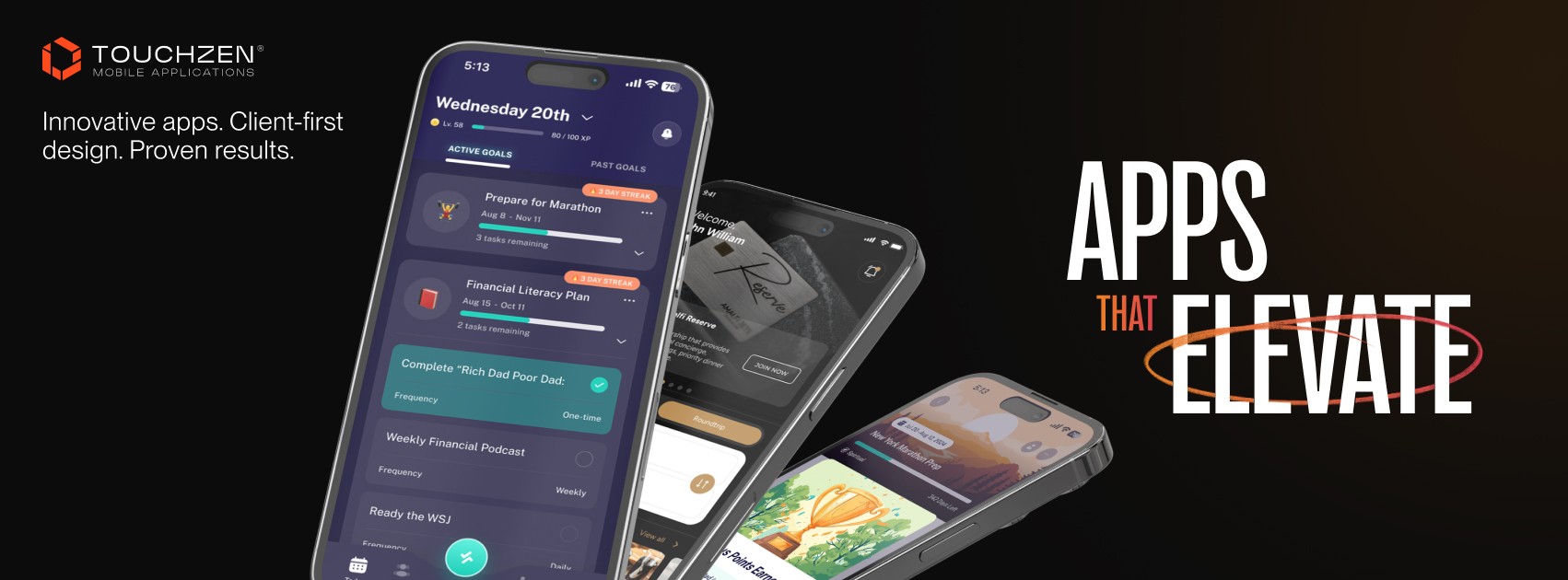
TouchZen Media specializes in helping California startups navigate the complexities of modern mobile app development. Our Orange County team brings deep expertise in native, hybrid, and cross-platform projects tailored to startup constraints and growth ambitions. We've delivered proven results, including projects that boosted leads by 215% through strategic mobile solutions.
Pro Tip: Startups that engage experienced developers during planning phases, not just coding, avoid expensive redesigns and technical debt that slow growth.
Whether you need AI-native features, privacy-compliant architectures, or scalable backend infrastructure, TouchZen Media partners with you from concept through launch and beyond. Our collaborative approach ensures your mobile app aligns with 2026 best practices while meeting your unique business goals. Ready to build your next mobile app with expert guidance? Let's discuss how we can help turn your vision into reality.
FAQ
What is the most suitable app development approach for a startup with a limited budget?
Cross-platform frameworks or low-code tools often provide the best balance for budget-conscious startups. These approaches enable faster deployment, acceptable performance, and shared codebases that reduce initial costs while supporting early growth and market validation.
How important is AI integration in mobile app development for 2026?
AI has become foundational rather than optional, with 90% of new apps built AI-native from the ground up. This integration improves personalization, operational efficiency, and privacy protection, meeting user expectations that now demand intelligent, adaptive experiences in every app category.
What are critical privacy considerations startups should keep in mind for app development?
Privacy must be integrated during initial planning and architecture phases, not added later as compliance becomes urgent. On-device AI processing enhances user data protection while meeting regulatory requirements. Early privacy-by-design principles prevent costly redesigns and build user trust from launch.
How can startups ensure their app remains scalable and maintainable?
Develop with scalability assumptions from the start, designing infrastructure that handles 10x growth without fundamental rewrites. Collaborate with expert developers experienced in backend reliability and choose technologies with strong community support. Regular monitoring and planned update cycles keep apps performing well as user bases expand.