
Cyrus Kiani
Founder / CEO




Key takeaways
Point | Details |
|---|---|
User experience drives choice | Quality user experience ranks highest among startups, influencing app type selection more than any other factor. |
Native apps lead in performance | Native apps deliver the best performance and device integration but cost more and require longer development timelines. |
Hybrid apps balance cost and speed | Hybrid apps use a single codebase to reduce time and budget while accepting minor UX compromises. |
PWAs offer accessibility | Progressive web apps provide the lowest costs and easiest access but have limited offline capabilities and device integrations. |
Super apps build ecosystems | Super apps create integrated multi-service platforms that boost user engagement and unlock cross-selling opportunities. |
How to choose the right mobile app type: key selection criteria
Before diving into specific app types, you need a clear framework for evaluation. User experience ranks highest (91%) among startups when choosing app types, with cost and scalability following closely. This makes sense because a poor user experience can tank even the most innovative product.
Development cost directly impacts budget feasibility and influences your choice significantly. Startups with limited runway must carefully weigh upfront development expenses against long-term maintenance and update costs. Time to market matters too because competitive markets reward speed.
When you need to launch quickly, simpler cross-platform solutions like hybrid apps or PWAs become attractive options. Scalability and security needs vary dramatically by industry and must align with your app architecture decisions from day one. A fintech app demands robust encryption and compliance features that a content app might not require.
Platform preferences determine technical feasibility and user reach. If your target audience skews heavily iOS, a native iOS app makes sense. For broader reach, cross-platform approaches become essential. Consider these core criteria as you evaluate each app type:
Performance requirements for your core features
Budget constraints and funding runway
Timeline pressure and competitive dynamics
Target user platform distribution
Security and compliance obligations
Long-term scalability and feature roadmap
"The right app type decision balances user expectations, business goals, and resource realities while setting the foundation for sustainable growth."
Exploring ai-native mobile app development and reviewing 2025 mobile app market analysis helps you understand how trends shape these criteria. Smart mobile app marketing strategies also depend on choosing the right app type from the start.
Native apps: performance excellence and user experience
Native apps are developed specifically for iOS or Android using platform SDKs, offering the fastest and smoothest user experiences possible. Native apps offer best performance and user experience, accessing device hardware fully but require separate codebases increasing cost by up to 30%. This tradeoff is critical for startups to understand upfront.
They provide direct access to hardware features like augmented reality, GPS, camera, accelerometer, and biometric sensors. This makes native apps essential for performance-critical applications where user experience cannot be compromised. Gaming apps, AR experiences, and fintech platforms typically demand native development.
Separate codebases for each platform increase both time and development costs substantially. You need dedicated iOS developers working in Swift and Android developers working in Kotlin or Java. This doubles your engineering effort and testing requirements.
Startups prefer native apps for flagship products demanding high quality and strong brand reputation. When your app is your primary product, the extra investment in native development pays dividends through superior user satisfaction and retention. The performance difference becomes immediately apparent in animation smoothness, load times, and responsiveness.
Ideal use cases include:
Gaming and graphics-intensive applications
Augmented reality and virtual reality experiences
Fintech apps requiring biometric security
Apps needing extensive hardware integration
Premium products where UX is a competitive advantage
Pro Tip: If your startup targets a single platform initially, native development eliminates the complexity of cross-platform frameworks while delivering optimal performance. You can always expand to the second platform later with proven product-market fit.
Consider industry-specific app development needs when evaluating whether native apps make sense for your sector. Healthcare and finance often justify the native investment due to stringent security and performance requirements.
Hybrid apps: cost-effective multi-platform reach
Hybrid apps use a single shared codebase for iOS and Android, accelerating development timelines and lowering costs significantly. Hybrid apps reduce development cost and time by up to 40% with single codebase but sacrifice some native feel and performance. This makes them highly attractive for startups operating under tight budget constraints.
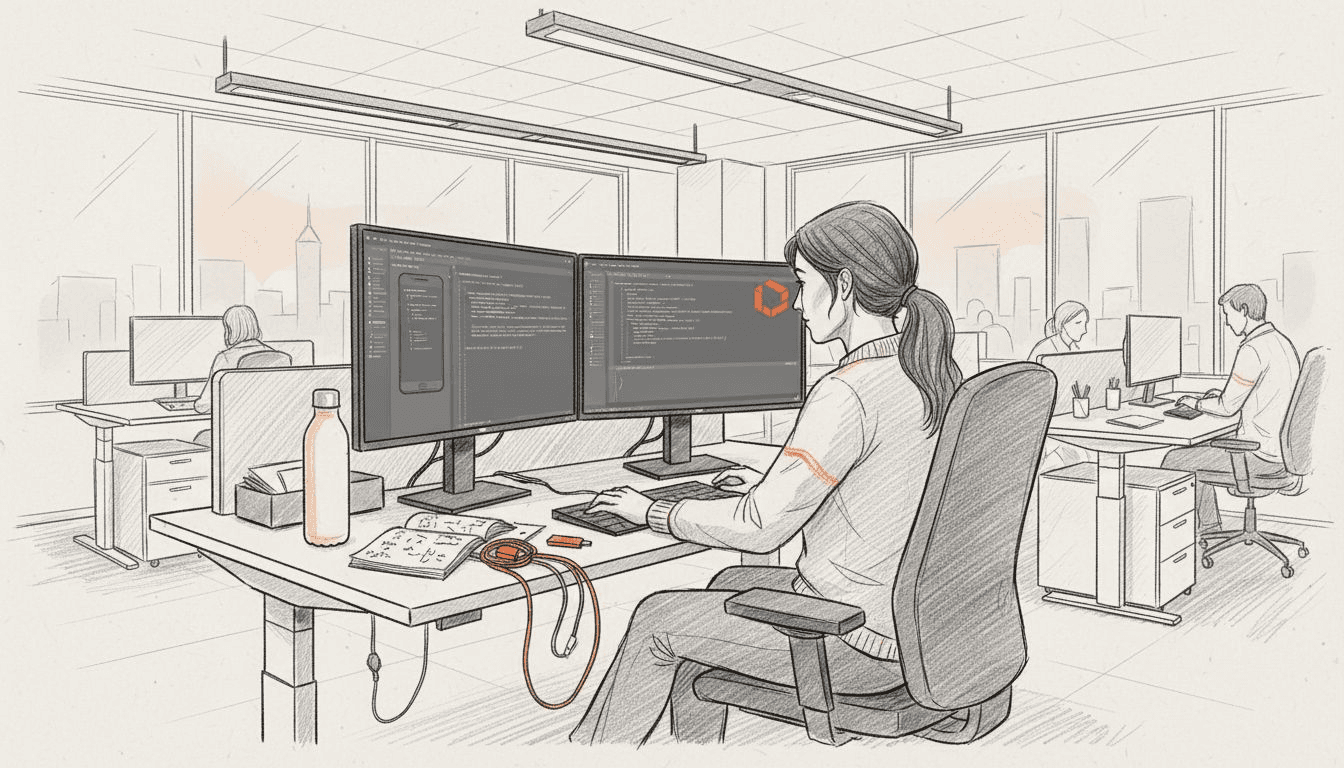
Performance and native experience may be moderately compromised compared to pure native apps. Users might notice slightly slower animations or less responsive touch interactions. However, modern frameworks have dramatically narrowed this gap in recent years.
Hybrid apps are popular for MVPs, startups needing speed, and projects requiring cross-platform coverage within limited budgets. You can validate your core concept across both major platforms without doubling your development investment. This approach reduces risk when product-market fit remains uncertain.
Frameworks like Flutter and React Native dominate due to offering near-native performance and developer efficiency. Flutter uses a compiled approach that delivers excellent performance, while React Native provides a large ecosystem and hot reload capabilities. Both enable code sharing between platforms while allowing platform-specific customizations when needed.
Ongoing interface optimization remains essential to minimize UX tradeoffs common in hybrid apps. You need careful attention to platform-specific design patterns and regular performance profiling. Key benefits include:
Single codebase reducing maintenance overhead
Faster time to market across both platforms
Lower upfront development investment
Larger pool of available developers
Easier updates and feature additions
Pro Tip: Use hybrid development for your MVP to test market fit quickly, then consider rebuilding critical screens natively if performance bottlenecks emerge. This pragmatic approach balances speed with quality.
Exploring guides on choosing mobile app development framework provides deeper insights into framework selection criteria and best practices for hybrid app success.
Progressive web apps (PWAs): accessibility and ease of use
PWAs run inside web browsers offering instant accessibility without requiring app store downloads or installations. PWAs reduce development costs by up to 60% compared to native apps but have about 20% lower user engagement due to limited device integration. This tradeoff makes them ideal for specific use cases.
They support offline functionality through service workers but cannot access advanced device APIs like native apps. Camera access, push notifications, and hardware sensors have limited or inconsistent support across browsers. This restricts PWA viability for apps requiring deep device integration.
Development costs can be dramatically lower because you build a single web application that works across all platforms and devices. There are no app store approval processes, no platform-specific builds, and simpler deployment pipelines. Updates roll out instantly to all users without requiring downloads.
User engagement tends to be lower than native apps because PWAs lack home screen prominence and miss some native platform features. Users must remember to access them through browsers or add shortcuts manually. Discovery happens through web search rather than app stores.
PWAs are ideal for startups prioritizing broad access and fast market entry over peak performance. Content platforms, e-commerce sites, and information services work well as PWAs. Consider this approach when:
Budget is severely constrained
You need to test concepts rapidly
Your app does not require extensive hardware access
Web discoverability matters more than app store presence
Cross-device consistency is critical
PWAs offer a viable path for startups to establish a mobile presence before committing to full native or hybrid development. They serve as excellent testing grounds for validating user interest and core value propositions before larger investments.
Super apps: building ecosystems for user engagement and revenue
Super apps combine multiple functionalities like payments, shopping, messaging, and services into one integrated platform. By 2026, over 40% of enterprise mobile apps globally incorporate super app features to boost user retention and cross-selling. This represents a fundamental shift in mobile app strategy.
They increase user retention, engagement, and cross-selling opportunities by keeping users within a single ecosystem. Instead of switching between multiple apps, users complete diverse tasks in one place. This convenience drives habitual usage and increases lifetime value.
Super apps are dominant in Asian markets with WeChat and Grab serving as prime examples. They are increasingly emerging in Western startup ecosystems as companies recognize the strategic advantages of integrated platforms. The model works particularly well when services naturally complement each other.
Building super apps requires substantial initial investment and long-term vision to develop ecosystem effects. You need robust infrastructure, multiple development teams, and patience as network effects build over time. The payoff comes from increased user stickiness and monetization opportunities.
Super apps suit startups targeting multi-service value propositions and networked user bases. Consider this approach if:
Your business model spans multiple service categories
You can leverage network effects between services
You have or can raise significant capital
Your target market shows openness to integrated platforms
You are prepared for a multi-year buildout timeline
"Super apps transform single-purpose applications into comprehensive digital ecosystems where users live, work, and transact without leaving the platform."
The industry-specific app development landscape increasingly favors integrated solutions that reduce friction and increase convenience for users managing complex workflows across multiple touchpoints.
Technology trends impacting mobile app types in 2026
5G networks enable ultra-low latency supporting augmented reality, virtual reality, gaming, and high-quality streaming apps. This technological foundation makes previously impractical app types viable for mainstream users. Real-time multiplayer experiences and cloud-rendered graphics become seamless.
By 2026, 40% of enterprise apps integrate AI features like chatbots, personalization, and predictive analytics. AI integration drives advanced personalization, intelligent automation, and predictive analytics that fundamentally change user expectations. Apps without AI capabilities increasingly feel dated and limited.
Privacy by design is mandatory, including biometric authentication and end-to-end encryption for regulatory compliance. Regulations like GDPR, CCPA, and emerging frameworks require security and privacy considerations from the earliest design phases. Retrofitting security later costs far more and creates vulnerabilities.
Startups leveraging these technologies gain competitive advantages and innovation edges in crowded markets. Early adoption of 5G capabilities, AI features, and privacy-first architectures differentiates your product. Users increasingly expect these features as baseline requirements.
Your chosen app type must align with capacity to implement and optimize these trends. Native apps offer easiest access to cutting-edge features, while hybrid apps can integrate many capabilities through plugins. PWAs lag in advanced feature support. Consider:
How 5G capabilities enhance your core value proposition
Which AI features meaningfully improve user outcomes
What privacy and security standards your industry requires
How quickly you can adopt emerging technologies
Whether your app type supports planned innovations
Exploring ai-native mobile app development strategies helps you understand how to architect apps that leverage these powerful trends from the ground up rather than bolting them on later.
Security and privacy considerations across app types
Security features like biometric authentication have become standard across new mobile applications. 70% of new mobile apps have biometric authentication and end-to-end encryption by 2025, driven by regulations and user demand. Face ID, fingerprint scanning, and multi-factor authentication are baseline expectations.
End-to-end encryption protects data and ensures compliance requirements especially in fintech, healthcare, and sensitive data sectors. Users increasingly understand and demand encryption as regulations make breaches more costly. Implementing encryption from the start avoids expensive security audits and rebuilds.
Regulatory frameworks increasingly shape app architecture decisions before the first line of code is written. HIPAA for healthcare, PCI-DSS for payments, and GDPR for European users each impose specific technical requirements. Your app type choice must accommodate these obligations.
Strong security enhances user trust, retention, and app reputation in markets where breaches make headlines daily. One security incident can destroy years of brand building and user acquisition efforts. Security is not just a technical requirement but a business imperative.
Startups must incorporate privacy by design early to avoid costly retrofits and compliance failures. Bolting on security after building your app costs exponentially more and introduces vulnerabilities. Key practices include:
Implementing encryption for data at rest and in transit
Using secure authentication and session management
Regular security audits and penetration testing
Minimizing data collection to only essential information
Providing transparent privacy policies and user controls
"Security is no longer a feature you add later. It is a foundational architecture decision that defines user trust and regulatory compliance from day one."
Native apps typically offer most robust security options through platform-specific APIs. Hybrid apps can achieve strong security through proper implementation. PWAs face more limitations in secure storage and biometric access, making them less suitable for highly sensitive applications.
Summary comparison and situational picks for startups
Comparing app types side by side clarifies which solution fits your startup's specific situation and constraints. Native apps lead in performance but cost more; hybrid apps balance cost and speed; PWAs offer accessibility; super apps suit ecosystem-driven startups. Each excels in different scenarios.
App Type | Performance | Development Cost | Time to Market | Best Use Cases |
|---|---|---|---|---|
Native | Excellent | High | Longer | Gaming, AR/VR, fintech, performance-critical apps |
Hybrid | Good | Medium | Medium | MVPs, cross-platform startups, moderate complexity |
PWA | Fair | Low | Fast | Content platforms, testing concepts, budget constraints |
Super App | Varies | Very High | Very Long | Multi-service ecosystems, network effects |
Recommend native apps for high-performance needs like gaming, augmented reality, or applications requiring extensive hardware access. When user experience directly drives your competitive advantage, the extra investment pays off. Industries like fintech and healthcare often justify native development due to security and performance requirements.
Hybrid apps fit startups needing speed and cost savings for MVPs or broad platform reach. If you are testing product-market fit or have limited funding, hybrid development gets you to market faster. Modern frameworks like Flutter deliver near-native performance for most use cases.
PWAs serve startups focused on accessibility and rapid market testability where device integration is minimal. Use PWAs for content-heavy applications, e-commerce sites, or when discoverability through web search matters more than app store presence. They excel at fast iterations and low-cost experimentation.
Super apps suit startups building multi-service ecosystems and leveraging network effects for competitive moats. If your vision spans multiple service categories that naturally integrate, consider the super app model. This requires substantial capital and long-term vision but creates powerful user lock-in.
Your choice should map to:
Current funding and runway available
Time pressure from competitive dynamics
Technical complexity of core features
Target audience platform preferences
Long-term product roadmap and vision
Consulting with top app developers usa and exploring industry-specific app development insights helps you validate your app type decision against real-world project experiences and industry best practices.
Work with a top app developer to bring your vision to life
Choosing the right app type is just the first step. Professional agencies provide expertise across native, hybrid, and PWA development tailored specifically to startup needs and constraints. Partnering with experienced developers streamlines execution, optimization, and scalability of your app while avoiding costly mistakes.
TouchZen Media offers award-winning app development services with industry-leading expertise in mobile and web applications. Our team has delivered successful projects across fintech, healthcare, travel, and numerous other sectors. We understand the unique challenges startups face balancing quality, speed, and budget.
Get expert guidance to translate your startup vision into a performant, user-friendly mobile app that drives growth. Whether you need a native iOS app, a cross-platform hybrid solution, or strategic consulting on app type selection, our orange county app development agency delivers results. Explore our recognition among top mobile app development companies and top ux designers usa to see why startups trust us with their most critical projects.
Frequently asked questions
What factors determine whether a startup should choose a native app?
Native apps suit startups prioritizing peak performance, deep device integration, and top-tier user experience despite higher costs and longer timelines. When your app is your primary product and user experience drives competitive advantage, native development makes sense. Industries requiring robust security like fintech or extensive hardware access like gaming typically need native apps.
How do hybrid apps compare to native apps in development cost and performance?
Hybrid apps reduce development time and cost by approximately 40% using a single codebase for both iOS and Android. However, they generally underperform native apps in responsiveness, animation smoothness, and access to latest platform features. Modern frameworks like Flutter have narrowed this gap significantly.
What advantages do super apps offer startups deploying multiple services?
Super apps consolidate payments, shopping, messaging, and other services into one platform, significantly boosting user retention and session duration. They create powerful cross-selling opportunities and foster strong network effects that increase user lifetime value. This integrated approach builds competitive moats that are difficult for single-purpose apps to overcome.
When should startups consider progressive web apps over other app types?
Startups with severe budget constraints and need for broad accessibility should consider PWAs as a starting point. They suit rapid concept testing and deployment where native device features are less critical to core value. PWAs work well for content platforms, basic e-commerce, and information services that prioritize web discoverability over app store presence.
How do security requirements differ across mobile app types?
Native apps offer most comprehensive security through platform-specific APIs including biometric authentication and secure storage. Hybrid apps can achieve strong security through proper implementation of encryption and authentication frameworks. PWAs face more limitations in secure storage and biometric access, making them less suitable for applications handling sensitive financial or health data.